Periodontal Treatment Ventura: Essential Care for Healthy Gums
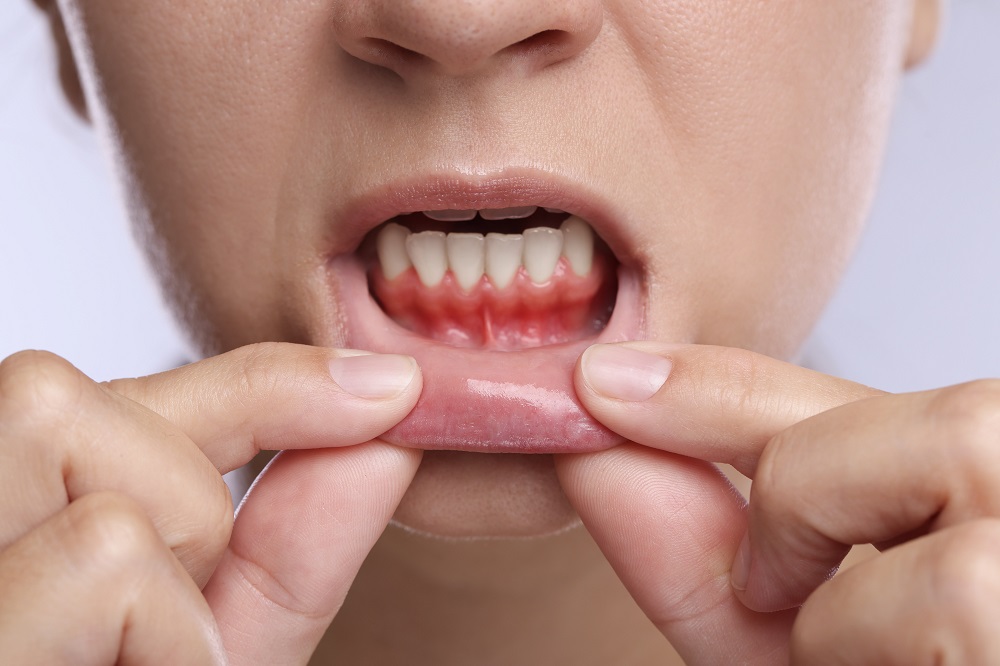
Healthy gums rarely get much attention until something starts to feel off. A little bleeding when brushing, persistent bad breath, tenderness along the gumline, or teeth that suddenly seem more sensitive than usual often get brushed aside as minor annoyances. In practice, those small changes are often the first visible signs that the tissues supporting the teeth are under stress. Gum disease tends to develop quietly, and by the time it becomes painful, the damage may already be advanced.
That is why periodontal care matters so much. Periodontal treatment is not just about cleaning the gums. It is about preserving the structures that hold teeth in place, reducing inflammation that can affect comfort and appearance, and helping patients avoid the long chain of problems that can follow untreated infection. For people searching for Periodontal Treatment Ventura, the goal should be simple and practical: stop disease early when possible, manage it carefully when it is established, and protect the mouth for the long term.
What periodontal treatment actually addresses
The periodontium includes the gums, the bone around the teeth, the periodontal ligament, and the root surface. When plaque and bacteria remain along the gumline, the body responds with inflammation. Early on, that inflammation is called gingivitis. At that stage, gums may look puffy, bleed easily, or feel tender, but the supporting bone has not yet been lost. Gingivitis is usually reversible with professional cleaning and improved home care.
Periodontitis is different. Once bacteria and inflammation move deeper below the gumline, the body can begin losing connective tissue and bone around the teeth. Pockets form between the teeth and gums, creating spaces where bacteria thrive. This is where periodontal treatment becomes more involved. The goal shifts from simple prevention to active disease control.
Many patients are surprised to learn that gum disease does not always cause dramatic symptoms. Some of the worst cases present with very little pain. A patient may come in saying, “My teeth feel fine, but my hygienist said my gums are not healthy.” After a proper periodontal exam, it is not unusual to find areas of bone loss or deep pockets that have progressed for years without clear warning signs.
The signs patients in Ventura should not ignore
Coastal living, dry weather, busy schedules, coffee habits, stress, and inconsistent dental visits all play a role in how oral health changes over time. Ventura residents are no different from patients anywhere else in one key respect: early symptoms are easy to dismiss.
A few warning signs deserve prompt attention:
- gums that bleed during brushing or flossing
- chronic bad breath or a sour taste in the mouth
- gum recession, especially when teeth look longer than before
- teeth that feel loose, shift position, or trap more food
- tenderness, swelling, or pus near the gumline
Bleeding is one of the most misunderstood symptoms. People often assume they should floss less because their gums bleed. Clinically, the opposite is usually true. Healthy gums do not generally bleed with gentle care. Bleeding is often a sign of inflammation, and ignoring it allows bacteria to remain in place.
Gum recession is another issue that often brings patients in. Some notice sensitivity to cold water or air, while others are bothered by the cosmetic change. Recession may be related to periodontal disease, overly aggressive brushing, grinding, thin gum tissue, or a combination of factors. Good treatment starts with figuring out the cause, not simply reacting to the visible result.
Why periodontal disease is more than a dental nuisance
When gum disease progresses, it affects much more than appearance. Inflamed gums can make eating uncomfortable, alter breath, increase tooth sensitivity, and create a persistent low-grade infection in the mouth. In severe cases, patients may lose teeth that could have been saved with earlier care.
There is also a broader health context. Dentists and physicians have long recognized associations between periodontal disease and systemic conditions such as diabetes, cardiovascular disease, and adverse pregnancy outcomes. It is important to be careful with language here. Gum disease does not mean a person will develop those conditions, and those conditions do not always cause periodontal breakdown. The point is that chronic inflammation in the mouth https://marcovqnl403.northstarcolumn.com/posts/comparing-traditional-and-modern-periodontal-treatment-ventura matters, especially when layered on top of other health concerns.
Patients with diabetes often provide a clear example. Poor blood sugar control can worsen gum inflammation and slow healing, while active periodontal infection can make blood sugar management more difficult. Treating one side of that equation often helps the other.
How a periodontal evaluation is done
Good periodontal treatment starts with measurement, not guesswork. A proper evaluation usually includes probing the spaces around each tooth, checking for bleeding, recording gum recession, reviewing bone levels on radiographs, and testing for mobility or bite-related stress. Dentists also look for contributing factors such as faulty restorations, clenching, tobacco use, dry mouth, and home care challenges.
Pocket depths often tell an important part of the story. A shallow sulcus around a healthy tooth may measure 1 to 3 millimeters. Deeper pockets can indicate that attachment and bone support have been lost. Not every deeper reading means severe disease, but patterns matter. Bleeding, plaque retention, and radiographic bone loss help complete the picture.
The examination should also distinguish between active inflammation and stable past damage. Some patients have areas of old recession or bone loss that are no longer progressing. Others have tissue that looks only mildly irritated but bleeds heavily and shows active breakdown. Treatment decisions should reflect what is happening now, not just what happened in the past.
Common types of periodontal treatment
The phrase Periodontal Treatment Ventura can describe several levels of care, from early intervention to advanced therapy. The right option depends on disease severity, anatomy, health history, and how the patient responds to initial treatment.
Professional cleaning for gingivitis
If the gums are inflamed but bone support remains intact, a thorough professional cleaning combined with better home care may be enough. Plaque and tartar are removed from above and just below the gumline, and patients are coached on brushing and interdental cleaning techniques that fit their specific mouth. This sounds simple, but it works well when the disease is caught early.
Scaling and root planing
For established periodontitis, scaling and root planing is often the first non-surgical treatment. This deep cleaning targets bacterial deposits and calculus below the gumline and smooths the root surfaces to make it harder for bacteria to reattach. Local anesthetic is commonly used so the treatment is comfortable and thorough.
Some patients expect dramatic discomfort afterward and are surprised that recovery is usually manageable. Mild soreness, temporary sensitivity, and slight gum shrinkage are common. That shrinkage often reflects reduced inflammation, not new damage. In fact, gums frequently feel firmer and healthier within days.
Antimicrobial support
In selected cases, localized antibiotics or antimicrobial rinses may be used alongside mechanical cleaning. These are not a substitute for removing calculus and plaque. They can, however, help reduce bacterial load in pockets that are difficult to manage or in patients with recurring inflammation.
Periodontal surgery
When deep pockets remain after non-surgical care, surgery may be recommended. Procedures vary. Some involve reflecting the gum tissue to allow better access for cleaning and reshaping. Others are regenerative, using membranes, graft materials, or biologic agents to encourage repair in areas with certain types of bone defects.
Surgery sounds intimidating, but in experienced hands it is usually more straightforward than patients fear. The bigger challenge is not the procedure itself. It is choosing the right case. Surgery works best when infection control, home care, and follow-up are already strong.
Gum grafting
Gum grafting is often used for recession, root sensitivity, or areas of thin tissue at risk for future problems. The objective may be functional, cosmetic, or both. A well-chosen graft can reduce discomfort, improve tissue resilience, and create a more balanced gumline.
Maintenance therapy
This is where long-term success is won or lost. Periodontal maintenance is not the same as a routine cleaning. Once a patient has had periodontitis, the bacterial environment and tissue response need closer monitoring. Visits are often recommended every three to four months, though timing varies. During maintenance, the team reassesses pocket depths, checks bleeding, removes biofilm and calculus, and looks for signs of relapse.
What treatment feels like from the patient’s side
Patients usually want to know three things: Will it hurt? How long will it take? Is it worth doing if the teeth do not hurt right now?
The first answer is reassuring. Modern periodontal treatment is generally well tolerated. Local anesthetic, careful instrumentation, and staged appointments make deep cleaning very manageable. Post-treatment discomfort is often described more as tenderness than pain.
Timing depends on the extent of disease. A simple case of gingivitis may improve quickly after a cleaning and better hygiene. Scaling and root planing is often completed over one or two visits, sometimes more for complex cases. Reevaluation typically happens several weeks later, once the gums have had time to respond.
As for whether it is worth it, the answer is almost always yes. Periodontal disease rarely improves on its own. Delaying care often means more bone loss, more recession, greater treatment needs, and higher costs later. Patients who address gum disease earlier generally keep more treatment options open.
Home care makes or breaks the result
Even excellent clinical treatment cannot overcome poor daily plaque control. That is not a lecture, it is simply how gum disease behaves. Bacteria repopulate quickly. The office can disrupt the disease process, but home care determines whether inflammation stays down.
Patients do best when home routines are specific and realistic. A powered toothbrush may help someone who rushes manual brushing. Floss works well for tight contacts, but interdental brushes are often better around bridgework, implants, or wider spaces. Water flossers can be useful adjuncts, especially for patients who struggle with dexterity, though they usually work best alongside brushing and mechanical interdental cleaning rather than as a replacement.
There is no universal perfect routine. A retiree with excellent dexterity and plenty of time has different needs than a shift worker who is exhausted at night or a teenager with orthodontic retainers. The best periodontal teams tailor advice to what a patient will actually do consistently.
Why some patients improve quickly and others do not
One of the more challenging parts of periodontal care is that similar-looking cases can behave very differently. Two patients may have comparable levels of tartar and pocketing, yet one heals rapidly while the other continues to show inflammation. Experience teaches that the details matter.
Smoking is a major factor. Tobacco reduces blood flow, impairs immune response, and can mask bleeding even when disease is active. Smokers sometimes think their gums are healthy because they do not bleed much, but probing and radiographs often tell a different story.
Grinding and clenching can complicate treatment too. Excessive occlusal forces do not cause periodontal disease by themselves, but they can worsen mobility and make compromised teeth harder to stabilize. Dry mouth from medications is another frequent issue, particularly in older adults. Reduced saliva changes the oral environment, increases plaque retention, and can accelerate both decay and periodontal problems.
Then there is consistency. The patient who completes deep cleaning, returns for reevaluation, improves home care, and keeps maintenance visits often does very well. The patient who disappears for eighteen months after treatment usually returns with avoidable setbacks.
Choosing the right provider in Ventura
Finding the right office for Periodontal Treatment Ventura is not only about credentials, though those matter. It is also about communication, diagnosis, and follow-through. Patients should understand what stage of gum disease they have, what the proposed treatment is meant to accomplish, and what success will look like.
A good consultation usually leaves room for questions such as these:
- Is this gingivitis or periodontitis, and how severe is it?
- What treatment do you recommend first, and why?
- What results should I expect after the initial phase?
- Will I need periodontal maintenance, and how often?
- Are there surgical or grafting options if non-surgical care is not enough?
It is worth paying attention to how clearly the answers are given. Vague reassurance is not enough. Patients deserve to know whether the goal is reversal, control, stabilization, or reconstruction. Those are different objectives.
For some cases, treatment is managed well by a general dentist with strong periodontal experience. More advanced cases may be referred to a periodontist, especially when surgery, regeneration, severe recession, or complex medical factors are involved. The best outcomes often come from collaborative care, where the general dentist, hygienist, specialist, and patient all stay aligned.
Cost, timing, and the reality of delaying care
Periodontal treatment is often seen as an expense that can wait, especially when there is no acute pain. The problem is that gum disease rarely pauses politely. Bone loss and recession are hard to reverse once established. A deep cleaning now is often far less costly and less invasive than surgery, extractions, implants, or bridgework later.
Insurance can help in many cases, but coverage varies widely. Patients should ask for a phased treatment plan and a clear explanation of what is urgent versus what can be scheduled over time. In my experience, patients feel less overwhelmed when they understand the sequence. Stabilize the disease first, then reassess, then address any lingering defects or cosmetic concerns. That approach is clinically sound and easier to manage financially.
There is also a practical timing issue. If a patient is considering crowns, veneers, implants, orthodontics, or whitening, gum health should come first. Restorative and cosmetic work performed in the presence of active periodontal disease tends to be less predictable. Healthy tissue provides the foundation for everything else.
When tooth loss can still be prevented
One of the most encouraging aspects of periodontal care is that teeth can often be saved even when the situation looks discouraging at first glance. I have seen patients arrive convinced they were about to lose multiple teeth, only to stabilize beautifully after deep cleaning, bite adjustment, improved home care, and maintenance. Not every tooth can be saved, and honest providers should say so when prognosis is poor, but many teeth with moderate periodontal involvement remain functional for years with the right support.
The key is realistic planning. Saving every tooth at any cost is not always the wisest path. Sometimes removing a hopeless tooth and protecting the rest of the mouth is the better decision. That kind of judgment is where experience matters. Periodontal treatment is not just about doing more. It is about doing the right amount, at the right time, for the right reasons.
Healthy gums are ongoing work, not a one-time fix
People often hope for a single procedure that “takes care of” gum disease permanently. Periodontal care does not really work that way. It is closer to managing blood pressure or maintaining joint health. There may be an active treatment phase, but long-term stability depends on habits, monitoring, and adjustments over time.
That is not bad news. It is simply honest. Once patients understand the pattern, they usually do well. Gums that were swollen can become firm again. Bleeding can stop. Breath can improve. Teeth can feel cleaner, steadier, and less sensitive. Most importantly, disease that was quietly progressing can be brought under control.
For anyone looking into Periodontal Treatment Ventura, the most important step is not waiting for severe pain or visible damage. Early evaluation gives you options. Timely treatment preserves bone and teeth. Consistent maintenance protects the results. Healthy gums may not demand attention when things are going well, but they shape comfort, function, and confidence every day.
Avra Dental
Address: 1708 S Victoria Ave B, Ventura, CA 93003
Phone number: (805) 941-1001
FAQ About Periodontal Treatment Ventura
Can a dentist get rid of periodontal disease?
A dentist or gum specialist (periodontist) cannot fully cure or reverse advanced periodontal disease (periodontitis), but they can successfully stop its progression and manage the infection.
Is periodontitis very serious?
Yes, periodontitis is a very serious, advanced form of gum disease that destroys the bone and tissues supporting your teeth.
How is stage 2 periodontal disease treated?
Stage 2 periodontal disease (early to moderate periodontitis) is primarily treated with non-surgical deep cleaning procedures like scaling and root planing to remove bacteria and tartar below the gumline.